







Table of Contents
- Why Aluminum Dog Kennels Outperform Plastic and Wire
- Aluminum vs. Plastic Crates: Strength and Chew Resistance
- Aluminum vs. Wire Dog Crate Comparison: Structural Integrity
- Durability, Corrosion Resistance, and Long-Term Maintenance
- Thermal Regulation: Do Aluminum Dog Boxes Get Hot?
- Heavy-Duty Aluminum Dog Crates for Travel and Vehicle Safety
- How to Clean Aluminum Dog Crates Without Damaging the Finish
- Noise Reduction, Ventilation, and Breed-Size Safety Testing
- Conclusion: Choosing the Right Aluminum Kennel
- Frequently Asked Questions
Last Updated: September 15, 2026
Why Aluminum Dog Kennels Outperform Plastic and Wire
Aluminum dog kennels are containment systems built from lightweight, corrosion-resistant metal alloy instead of plastic or welded wire, and they outperform both because they resist chewing, dents, and moisture damage that degrade cheaper materials within a year or two. At K&J Custom Dog Crates, we've watched owners replace crate after crate before switching materials entirely. The reason comes down to one property: aluminum's strength-to-weight ratio. It holds its shape under a panicking dog while staying light enough for one person to lift into a vehicle. Plastic cracks under stress and wire bends permanently. If your dog has already destroyed a "heavy-duty" crate, the material was the problem, not the label.
Aluminum vs. Plastic Crates: Strength and Chew Resistance
Plastic crates lose to aluminum on every structural measure that matters for a determined dog. A stressed chewer can crack plastic at the door frame, and once a crack starts, the crate's structural integrity is gone. Aluminum resists that failure mode entirely because it deforms rather than shatters, and heavy-gauge welded construction keeps panels rigid under sustained pressure. That's why chew-proof performance starts with material, not thicker bars.
Aluminum vs. Wire Dog Crate Comparison: Structural Integrity
An aluminum vs wire dog crate comparison usually ends the same way: wire crates bend, aluminum crates don't. Wire crates rely on thin gauge rods that flex under a 40-kilogram dog throwing its weight against them. Once bent, the latching mechanism misaligns and the door stops closing properly. Aluminum panels are impact-resistant and hold their geometry, which is why professional handlers and K9 units choose welded aluminum over wire. The table below summarizes where each material typically falls short.
Material |
Chew Resistance |
Corrosion Resistance |
Lifespan |
Best For |
|---|---|---|---|---|
Plastic |
Low, cracks at stress points |
Good, but UV brittleness over time |
1-3 years |
Calm, small dogs |
Wire |
Low, bends permanently |
Poor, rusts when scratched |
1-2 years |
Short-term, supervised use |
Aluminum |
High, impact-resistant |
High, naturally rust-proof |
10+ years |
Destructive dogs, travel, professionals |
Durability, Corrosion Resistance, and Long-Term Maintenance
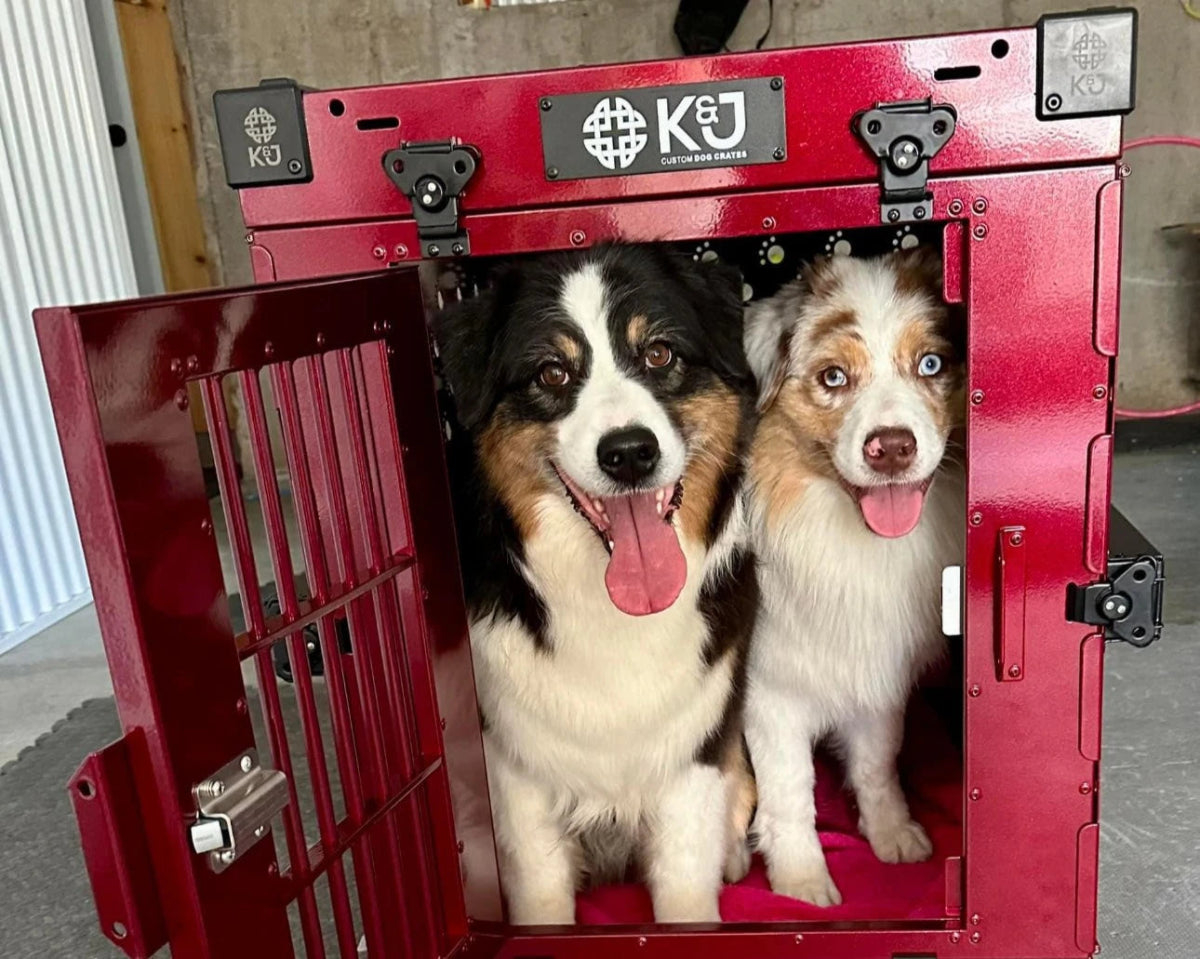
Corrosion resistance is where aluminum separates itself from every alternative. Bare aluminum forms a protective oxide layer within minutes of exposure to air, and that layer re-forms if scratched, which is why aluminum does not rust the way plated wire does once its coating chips. Powder-coated and anodized finishes add a second barrier against moisture degradation and road salt, and the anodized layer is electrically integrated into the surface rather than sitting on top of it, so it resists flaking at edges and weld points.
What most guides miss is that long-term cost favors aluminum once you factor in repair, not just replacement. Replacing a bent wire crate every 18 months costs more than one aluminum crate that outlasts three of them, but the bigger gap is that aluminum is repairable and wire and plastic generally are not.
Repairing Dents and Replacing Hardware
A dented aluminum panel can often be worked back with a rubber mallet and a flat block, or with a panel-beating spoon on the inside face, provided the powder coat has not cracked through to bare metal. Deep creases that have stretched the alloy are better left alone or replaced panel-by-panel, which is one reason modular welded designs hold value: you swap one panel instead of the whole crate. Wire crates have no equivalent, once a rod bends past its elastic limit, the geometry is gone and the latch alignment with it.
Hardware is the other wear point. Latches, hinges, and airline rails are typically stainless steel or zinc-plated and are the first parts to loosen. Check them quarterly: tighten any fastener that has backed out, replace a latch spring that has lost tension, and apply a silicone-based lubricant to hinge pins rather than oil, which attracts hair and grit. A common pattern is that owners replace a $15 latch instead of a $600 crate, and that math is the real durability argument.
Chemical Resistance: What to Use and What to Avoid
Aluminum's oxide layer is stable across a wide pH range but not unlimited. A practical guide:
- Safe: warm water with mild dish soap, diluted pet-safe enzymatic cleaners, isopropyl alcohol for spot disinfection, and silicone-based lubricants on hardware.
- Use with care: diluted chlorine bleach (short contact, thorough rinse) can dull anodized and powder-coated finishes over repeated use; quaternary ammonium disinfectants are generally fine on coated surfaces but should not sit.
- Avoid: oven cleaner, lye-based drain products, muriatic acid, and any cleaner containing sodium hydroxide or hydrofluoric acid, these attack the oxide layer directly. Also avoid steel wool and abrasive pads, which scratch the coating and create moisture traps.
Stainless steel tolerates stronger chemicals than aluminum, and plastic tolerates almost anything but degrades under UV. If you disinfect between dogs frequently, an anodized aluminum crate paired with a quaternary ammonium wipe is the balance most handlers land on.
The IATA Live Animals Regulations also set construction standards that wire crates rarely meet, which matters if you ever fly with your dog.
Thermal Regulation: Do Aluminum Dog Boxes Get Hot?
Aluminum dog boxes stay cooler than plastic because the metal reflects radiant heat and dissipates warmth through convection, while plastic traps heat inside. Thermal conductivity works in your favor here: an aluminum crate equalizes with ambient air instead of building a greenhouse effect the way sealed plastic does. In direct sun, a powder-coated aluminum surface reflects a meaningful share of radiant heat, keeping interior temperatures closer to shade levels. Ventilation design matters just as much. Crates with generous airflow on multiple sides let hot air escape rather than pooling around your dog. If you travel in summer, pair an aluminum crate with shade and never leave a dog in a parked vehicle regardless of crate material.
Heavy-Duty Aluminum Dog Crates for Travel and Vehicle Safety
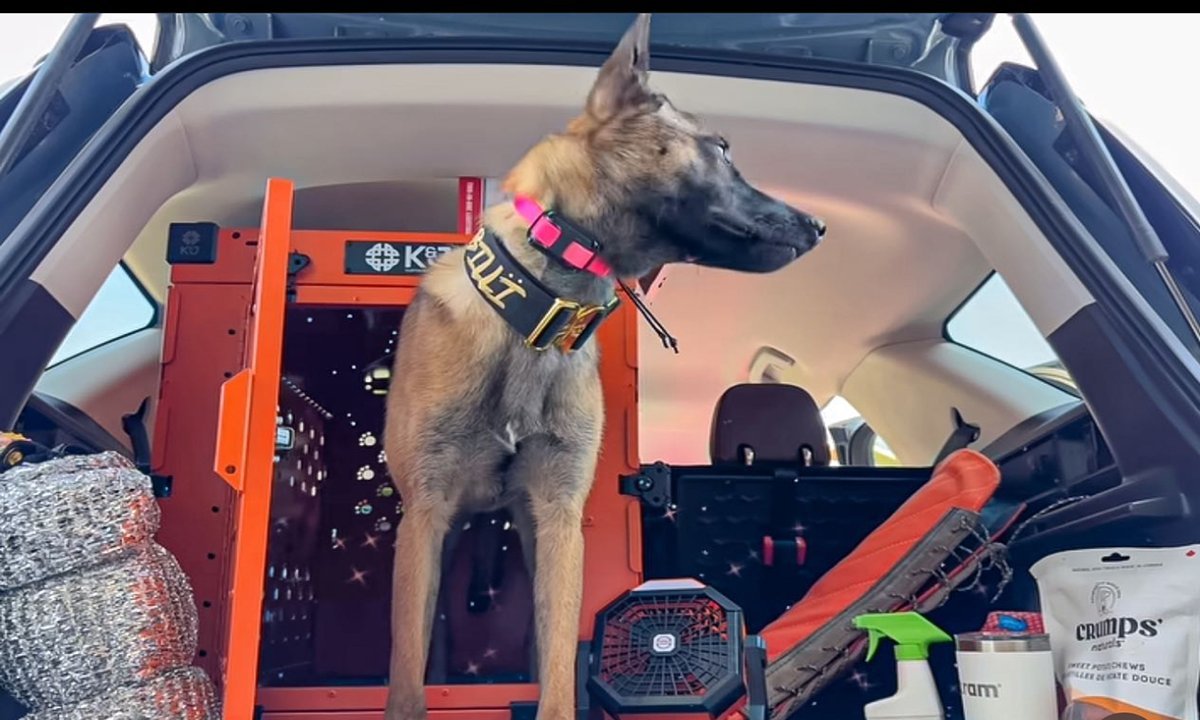
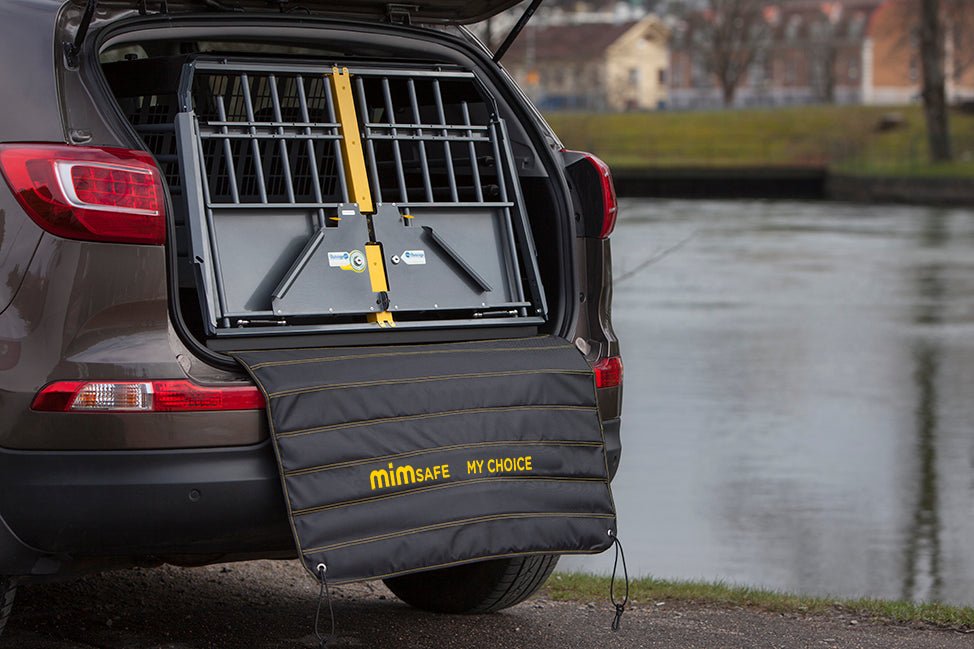
Heavy-duty aluminum dog crates for travel hold up to vehicle restraint demands that plastic and wire simply can't match. The Canada Safety Council guidance on pets in vehicles notes that an unrestrained dog becomes a projectile in a collision, and a crate only helps if it stays intact. Aluminum's welded construction and secure latching mechanism keep panels locked together under impact, while plastic can shatter and wire can collapse.
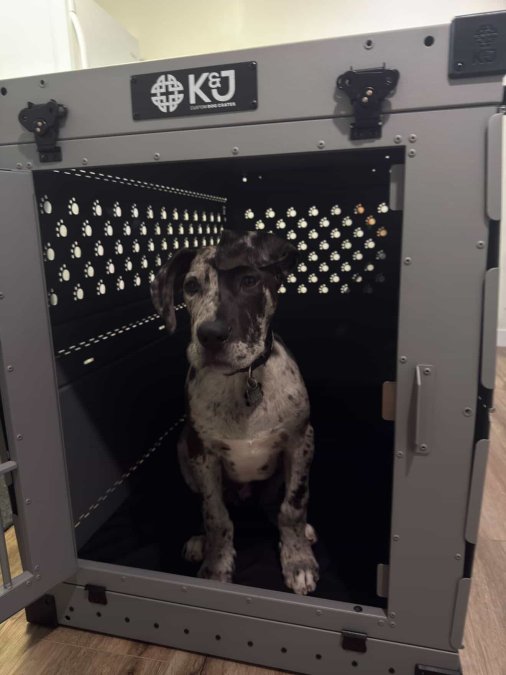
K&J Custom Dog Crates builds collapsible and stationary models from heavy-duty aluminum with airline rails for IATA compliance, so the same crate works at home and in transit. The collapsible design folds for storage without sacrificing rigidity.

How to Clean Aluminum Dog Crates Without Damaging the Finish
Cleaning an aluminum crate takes five minutes if you avoid abrasive tools. Powder-coated and anodized surfaces scratch easily under steel wool or harsh solvents, and those scratches open the door to moisture degradation. Use this routine:
- Remove bedding and vacuum loose hair and debris.
- Wipe surfaces with warm water and a mild dish soap using a soft cloth.
- Rinse with a damp cloth; never hose electronics or latching mechanisms directly.
- Disinfect with a pet-safe cleaner, then dry completely.
- Check latches and hinges; apply a silicone-based lubricant if they stiffen.
For sanitization between dogs, a diluted pet-safe disinfectant works without stripping the finish. Skip bleach on metallic colors, it dulls the coating.
Noise Reduction, Ventilation, and Breed-Size Safety Testing
Why Aluminum Is Quieter Than Wire
Wire crates are essentially a percussion instrument. Every paw strike, body slam, and latch rattle transmits through thin rods that ring at audible frequencies, and the sound repeats because the rods flex and snap back. Solid aluminum panels absorb that energy instead of radiating it: the panel's mass and stiffness raise its resonant frequency and damp the vibration, so a dog shifting inside produces a dull thud rather than a metallic clang.
Ventilation That Moves Air Without Creating Escape Points
Matching Crate Rigidity to Dog Size
Conclusion: Choosing the Right Aluminum Kennel
Frequently Asked Questions
Do aluminum dog crates stay cooler than plastic alternatives?
Aluminum dog kennels reflect radiant heat and conduct heat away from the interior faster than plastic, which traps warmth. The metal's thermal conductivity allows heat to dissipate through the walls, and ventilation openings promote airflow. In direct sun, any crate will heat up, so shade and air circulation still matter. For travel and warm-weather use, aluminum's thermal regulation gives it an edge over plastic or wire crates.
Are aluminum dog kennels airline compliant for travel?
Many heavy-duty aluminum dog crates for travel are designed to meet IATA regulations, which most airlines follow for live animal transport. Look for crates with secure latching mechanisms, proper ventilation on all sides, and airline rails. K&J Custom Dog Crates offers IATA-compliant models with reinforced construction. Always confirm with your specific airline before flying, as requirements can vary by carrier and aircraft type.
How does aluminum compare to wire crates for long-term durability?
In an aluminum vs wire dog crate comparison, aluminum wins on structural integrity and chew resistance. Wire crates bend under pressure and can be damaged by determined chewers, leading to sharp edges. Aluminum crates use welded construction and impact-resistant panels that hold their shape. They resist corrosion and denting better than wire, and the powder-coated finish prevents moisture degradation. For dogs that have destroyed wire crates, aluminum is the more durable investment.
What is the best way to clean aluminum dog crates without damaging the finish?
Use mild soap and warm water with a soft cloth or sponge. Avoid abrasive scrubbers, bleach, and ammonia-based cleaners, which can dull the powder-coated finish. For sanitization, a diluted pet-safe disinfectant works well. Rinse thoroughly and dry with a towel to prevent water spots. For stubborn messes, a soft-bristle brush is safe. Regular cleaning maintains the crate's appearance and prevents moisture degradation over time.


