






Table of Contents
- Crash-tested dog crates: Safety standards that matter
- Benefits of aluminum dog crates for vehicle transport
- Aluminum dog crate for car: Sizing and trunk fitment
- Installation, anchoring, and securing your crate
- How to clean aluminum dog crates without damaging the finish
- Ventilation, emergency egress, and multi-dog configurations
- Comparing collapsible versus stationary aluminum crates
- Which aluminum dog crate should you choose?
- Frequently Asked Questions
Last Updated: October 2, 2026
Crash-tested dog crates: Safety standards that matter
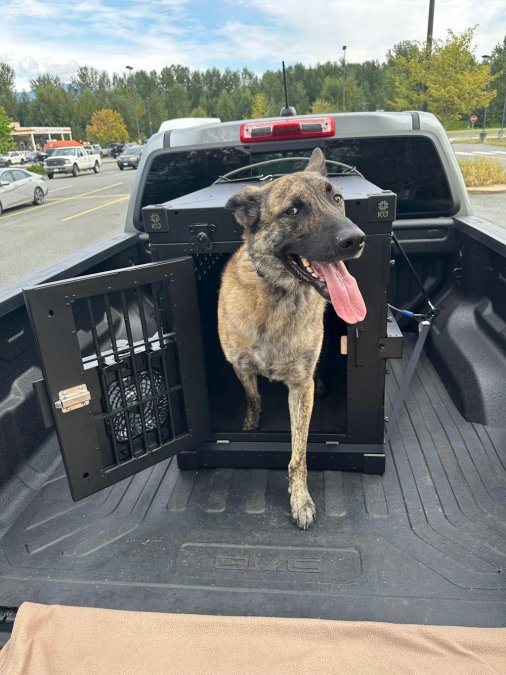
A crash-tested aluminum dog crate for car travel meets rigorous safety standards that separate genuine protection from marketing hype.
K&J Custom Dog Crates' MIM Safe Variocage line is the only crash-tested dog cage in the world rated using government safety standards (ISO 27955, ECE R-17, ECE R-44) and tested by the SP Technical Research Institute of Sweden. These standards exist because uncontained pets become projectiles in collisions.

A crash-tested crate must absorb impact energy without collapsing, maintain structural integrity during rollover scenarios, and keep the dog secured throughout the event. A built-in crumple zone absorbs force before it reaches your pet, the difference between a recoverable injury and a catastrophic one.
Transport Canada's vehicle safety guidelines emphasize that unrestrained pets pose risks not only to themselves but to all vehicle occupants. A 30-kilogram dog in a 60 km/h collision generates roughly 900 kilograms of force, enough to cause serious injury or death if not properly contained.
Benefits of aluminum dog crates for vehicle transport
Aluminum is lightweight and structurally rigid, preventing flex or rattle during transit, critical for both safety and comfort.
Impact resistance and structural integrity
An aluminum dog crate for car use resists impact far better than plastic, which degrades under UV exposure, temperature extremes, and pressure. Aluminum maintains its shape and strength across temperature ranges from -40°C to well above normal vehicle operating conditions.
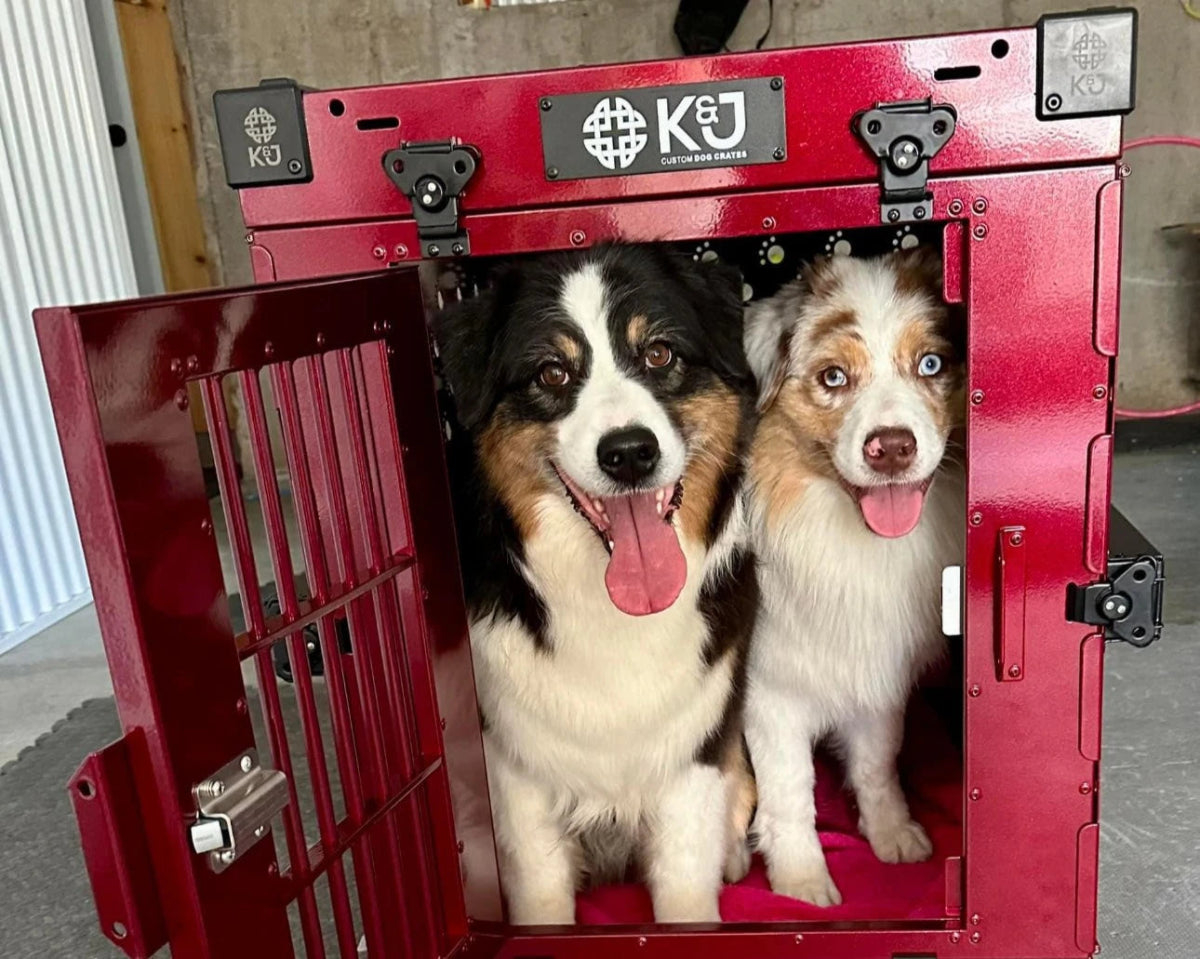
The powder-coated finish on K&J's Metallic Stationary Crates ($975.00) prevents corrosion and protects against moisture and road salt. A well-maintained aluminum crate will outlast three or four plastic alternatives.
K&J's stationary models use stainless steel slam latches and door deadbolts with multiple locking points, preventing accidental openings during rough terrain or sudden braking.
Lightweight design and portability
The MIM Safe Variocage Single, at roughly 28-30 pounds, is manageable for one person to move yet handles dynamic vehicle transport forces without compromise. This lightweight design matters for repeated loading, moving between vehicle and home, and quick setup at rest stops, engineering efficiency without sacrificing strength.
Aluminum dog crate for car: Sizing and trunk fitment
The most expensive crate is worthless if it doesn't fit your vehicle. This is where adjustable depth becomes essential.
Measuring your vehicle cargo area
Measure three dimensions: length (rear seat to cargo door), width (between wheel wells), and height (floor to lowest cargo point). Note that many vehicles have thresholds or sills that reduce usable height.
The MIM Safe Variocage Compact ($1,850.00) is designed for vehicles with rear cargo door thresholds, with a raised front door that clears the sill. The MIM Safe Variocage Single ($1,402.50) suits standard flat floors and offers more cargo space.
Adjustable depth models for flexible fitment
K&J's Variocage models feature telescoping lengths that adjust from roughly 55 cm to 77 cm, allowing a single crate to fit multiple vehicles. The 14 adjustable sizes mean you're finding the exact fit for your dog and vehicle, not compromising between "too small" and "too large."
Installation, anchoring, and securing your crate
An unsecured crate becomes a projectile during hard braking or collision.
Tie-down systems and anchoring points
K&J's Cambuckle Crate Tie-Down Straps ($90.00) feature a working load limit of 1,109 pounds and maximum break strength of 3,328 pounds, engineered to hold under real-world stress.
Use the vehicle's existing tie-down points (cargo tie-downs or D-rings). Position straps diagonally in an X-pattern from front corners to rear anchor points and vice versa to distribute force and prevent shifting. Tighten firmly, the crate should not move when pushed by hand.
No vehicle modification required
Quality aluminum crates require no drilling, welding, or permanent modification, important for rentals, leased vehicles, or your own. The MIM Safe Variocage and K&J's collapsible and stationary models all install without modification.
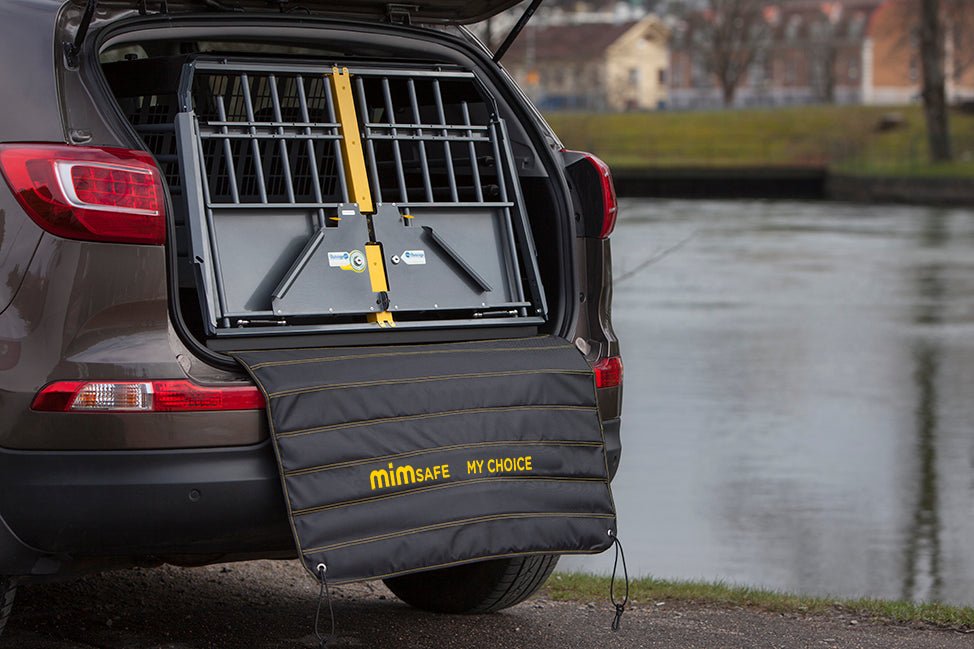
The MIM Safe Cover ($125.10) protects your dog's paws from door latches and gaps, and protects your vehicle's bumper from dirt, water, and claw damage.
How to clean aluminum dog crates without damaging the finish
Proper cleaning extends crate life and maintains the powder-coated finish protecting the aluminum.
Powder-coated finish care and maintenance
The powder coat is durable but not indestructible. Avoid abrasive scrubbers or harsh chemicals that strip the coating. Instead, use warm soapy water and a soft cloth or sponge.
For stubborn dirt, a soft-bristled brush works well. Rinse thoroughly with clean water and dry immediately with a towel. This prevents water spots and allows you to catch any areas where the coating might be compromised.
If you notice chips or scratches in the powder coat, address them promptly. Exposed aluminum oxidizes quickly. A small touch-up with automotive touch-up paint prevents rust from spreading. Most automotive retailers stock aluminum-matched paint pens designed for this purpose.
Long-term durability and wear prevention
Regular cleaning is preventive maintenance. Road salt, standing water, and debris accelerate corrosion. A crate that's cleaned after every trip lasts significantly longer than one left dirty between uses.
Store the crate in a dry environment when not in use. If you're using a collapsible model like the Metallic Collapsible Crates ($1,125.00), collapse it fully and store it indoors rather than in a garage or shed where moisture accumulates.

The MIM Safe Silicone Mat ($115.00) serves double duty: it protects your dog from slipping during transit and protects the crate's interior from urine, moisture, and debris. The mat is waterproof, non-toxic, and easy to clean under a sink or with a wet cloth. For the Variocage Double, you'll need two mats.
Ventilation, emergency egress, and multi-dog configurations
Extended travel requires airflow. A crate that traps heat becomes a stress chamber for your dog.
Airflow design for extended travel
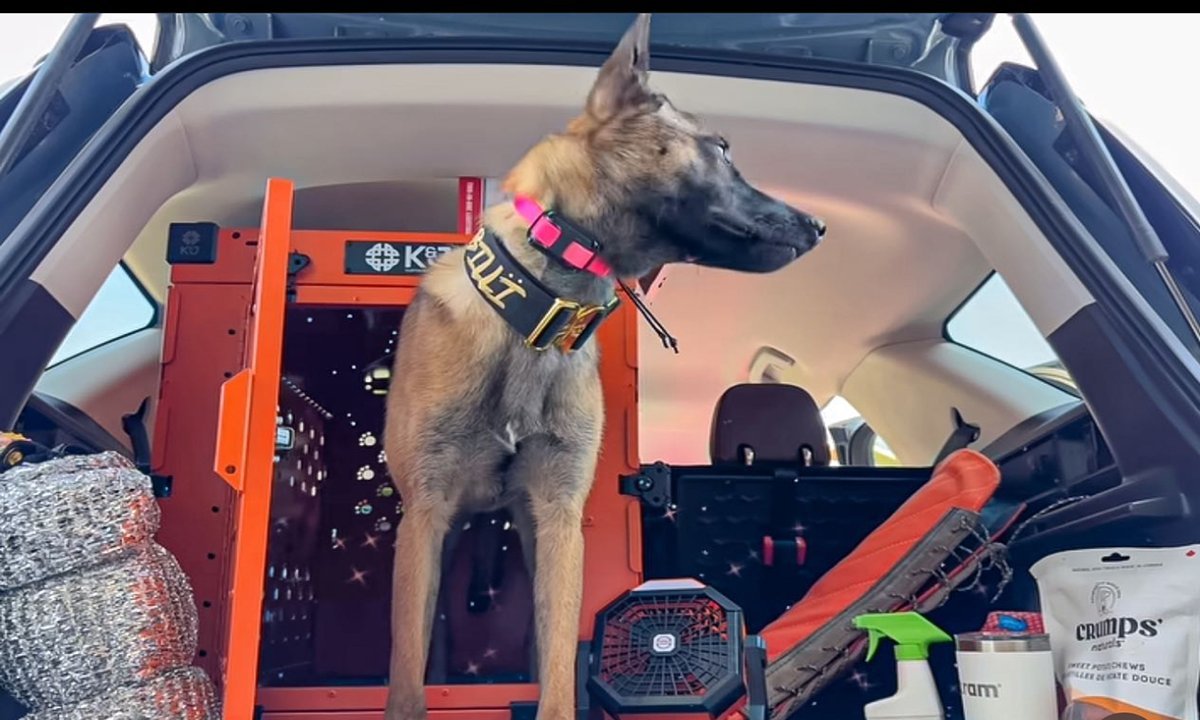
The MIM Safe Variocage models feature a rear airline rail that improves ventilation. For vehicle transport, this design ensures continuous airflow even when the crate is positioned against cargo area walls.
The K&J Dog Crate Fan 2.0 ($259.00) takes ventilation further.
Emergency escape features and exit safety
The MIM Safe Variocage includes a built-in emergency escape hatch, a critical safety feature often overlooked in standard crates. In an accident scenario where the main door is jammed or inaccessible, this hatch provides an alternative exit route for your dog.
Comparing collapsible versus stationary aluminum crates
The choice between collapsible and stationary models depends on your usage pattern and storage constraints.
Collapsible models: Convenience and storage
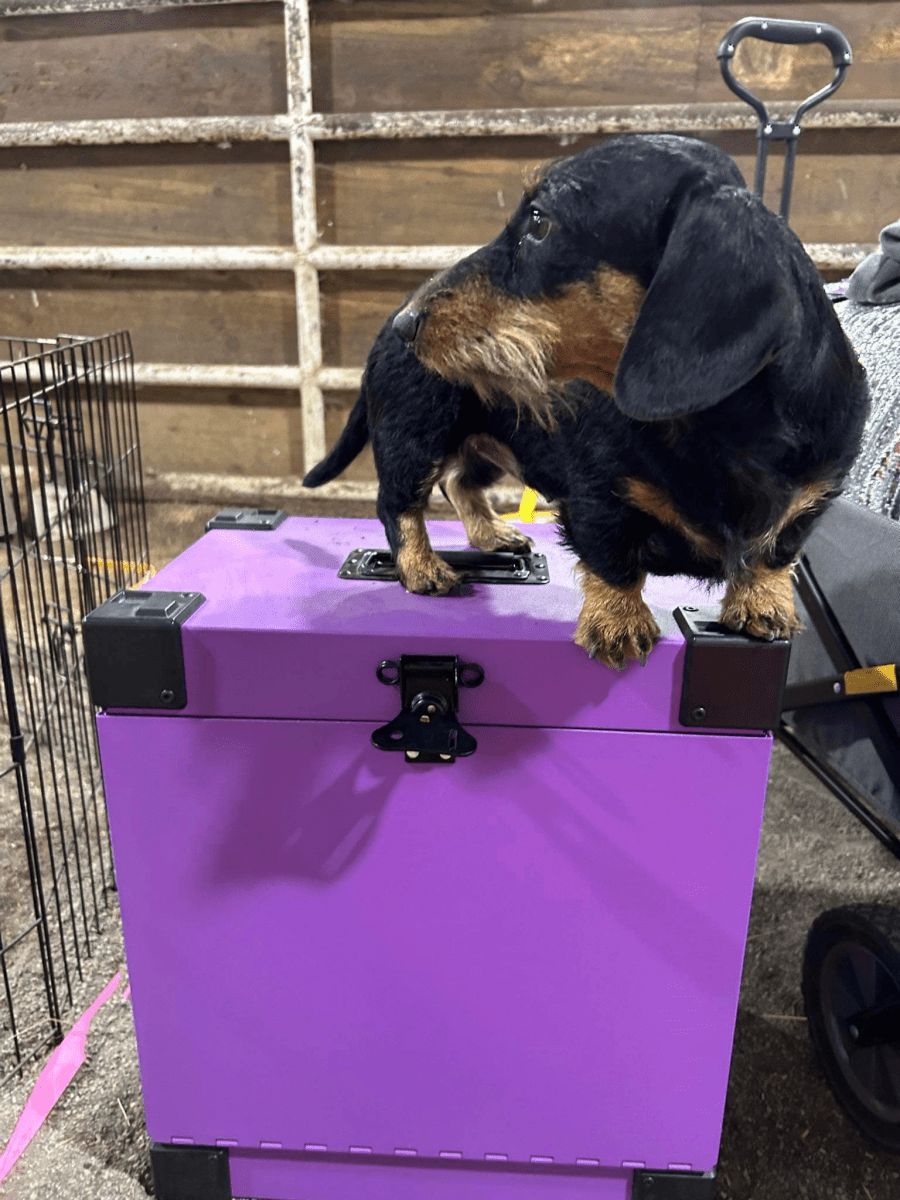
The Metallic Collapsible Crates ($1,125.00) collapse for easy storage. This matters if you're traveling frequently, storing the crate between trips, or managing multiple crates.
Stationary models: Maximum durability for heavy chewers
The Stationary Crate ($862.50) and Stationary Metallic Crates ($975.00) don't collapse. They're built for permanent installation or long-term home use. If your dog is a serious chewer or you need a crate that absolutely will not flex or rattle, stationary models are the answer.

Comparison table: Features, pricing, and best use cases
Model |
Starting Price |
Type |
Best For |
Key Feature |
|---|---|---|---|---|
$1,402.50 |
Crash-tested |
Professional transport, frequent travel |
Crash-tested to ISO/ECE standards |
|
MIM Safe Variocage Minimax |
$1,400.00 |
Crash-tested |
Smaller dogs, escape prevention |
Closer bar spacing |
MIM Safe Variocage Compact |
$1,850.00 |
Crash-tested |
High-threshold cargo doors |
Raised front door design |
$1,125.00 |
Collapsible |
Frequent travelers, storage-limited |
IATA compliant, folds flat |
|
$862.50 |
Stationary |
Heavy chewers, permanent home use |
Rigid, non-collapsible frame |
|
Stationary Metallic Crates |
$975.00 |
Stationary |
Style-conscious owners |
Custom metallic finishes |
Which aluminum dog crate should you choose?
Your choice depends on three factors: your dog's size and behavior, your vehicle's cargo area, and your travel frequency.
Frequently Asked Questions
What makes crash-tested dog crates safer than standard crates?
Crash-tested aluminum dog crates are engineered to absorb impact and protect your dog during rear-end collisions or sudden stops. The MIM Safe Variocage models are tested to government safety standards (ISO 27955, ECE R-17, ECE R-44) and use built-in crumple zones to dissipate energy. Standard wire or plastic crates lack this structural reinforcement, leaving your dog vulnerable during vehicle accidents.
How do I measure my vehicle for an aluminum dog crate for car transport?
Measure your cargo area length, width, and height with your tailgate closed. Note any thresholds or sills at the rear door. Compare these dimensions to the crate's telescoping length and fixed width and height specifications. For vehicles with high thresholds, compact models like the MIM Safe Variocage Compact feature a raised front door that clears the sill without requiring platform modifications. Always account for space needed for other cargo.
Are aluminum dog crates better than wire crates for car travel?
Aluminum crates offer superior safety, durability, and impact resistance compared to wire crates. Aluminum resists chewing and bending, making it ideal for anxious or destructive dogs. The powder-coated finish resists rust and wear. Aluminum crates also provide better ventilation through designed airflow channels and are lighter to handle. Wire crates can bend under pressure and offer less structural integrity during vehicle movement or collisions.
How do I clean an aluminum dog crate without damaging the powder-coated finish?
Use a soft cloth or sponge with warm soapy water to wipe the crate's exterior and interior. Avoid abrasive scrubbers or harsh chemicals that strip the powder-coat finish. For stubborn debris, a soft brush works well. Dry with a clean cloth to prevent water spots. For accessories like silicone mats, hand wash with warm soap and air dry. Regular gentle cleaning prevents buildup and preserves the finish for years of use.