






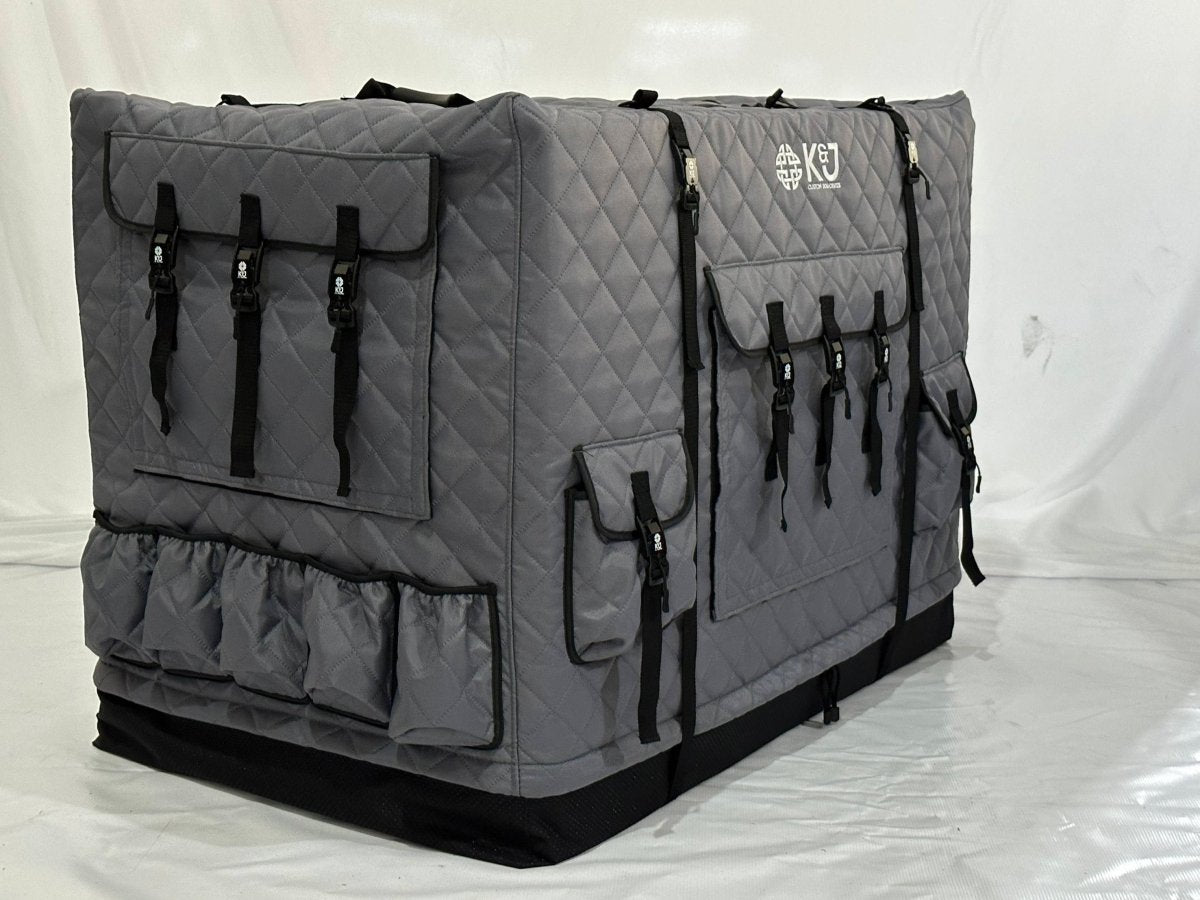

Quick Summary
How to choose a crate for a dog with a cast starts with measuring the dog as it is now, with the cast on, using the larger of each measurement and adding room to stand, turn and lie down. Check the door opening and threshold too, since a casted leg can catch. Confirm the final fit with your veterinarian before crate rest begins.
- Measure with the cast and bandage on, and write down the larger number for each measurement.
- The cast is often the widest and highest point, so measure across it and its padding.
- Measure the door opening height, width and threshold height, not just the inside.
- Add room so the dog can stretch out, sit or stand, and turn to face the other way.
- Confirm the swelling and padding allowance and the final fit with your veterinarian.
Table of Contents
- Why a Dog With a Cast Needs a Different Kind of Crate
- Step 1: Measure Your Dog With the Cast On
- Step 2: Allow Room for Standing, Turning and Lying Down
- Step 3: Check Door Clearance, Entry and Exit
- Crate or Playpen for an Injured Dog: Choosing the Right Confinement
- Setting Up Bedding and Flooring to Protect the Cast
- Confirm the Fit With Your Veterinarian Before Crate Rest Begins
- Frequently Asked Questions
Why a Dog With a Cast Needs a Different Kind of Crate
Last Updated: November 21, 2026
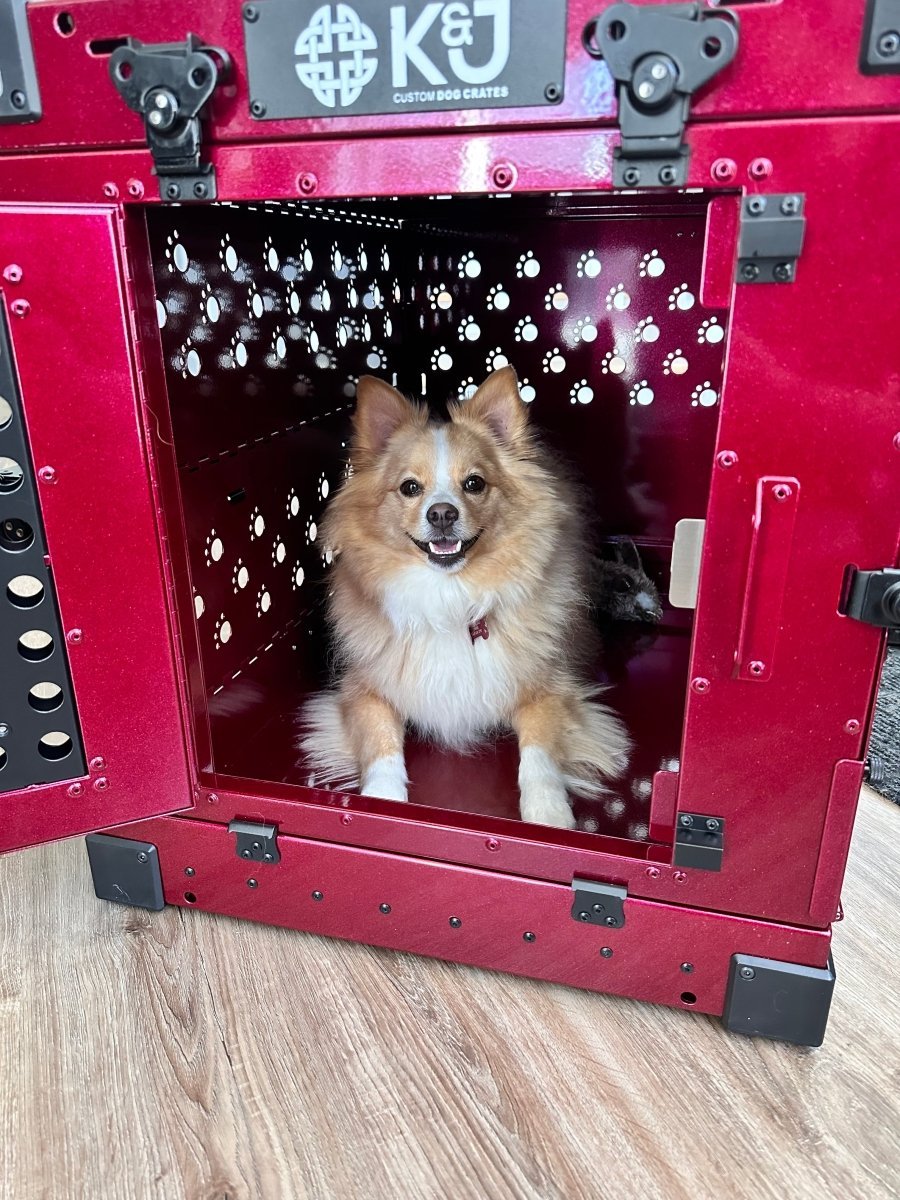
How to choose a crate for a dog with a cast is different from picking one for a healthy dog. A cast changes how the dog sits, stands, turns and lies down, so a crate that looks roomy on the box can feel cramped the moment a casted leg is added. A common mistake is buying by the dog's weight, then finding the cast does not fit.
Crate rest often means weeks of confinement, not a single afternoon. Recovery confinement should let the dog lie fully stretched out, sit or stand, and turn to face different directions. That is the standard to aim for when you shop.
Here is the core idea: measure the dog as it is now, with the cast on, and then add room for movement. Everything in this guide builds on that one step.
Step 1: Measure Your Dog With the Cast On
Measuring a dog in a cast is not the same as measuring a healthy dog.
Measure the dog as it is today, with the cast on and the bandage or splint in place. Use a soft tailor's tape, work on a non-slip floor, and have a second person hold the dog or feed small treats to keep it still.
Length. With the dog standing square, measure from the point of the shoulder (the withers) to the base of the tail, then add the distance from the withers to the front of the chest.
Height. Measure from the floor to the top of the shoulder blades.
Width. Measure across the widest part of the chest behind the front legs, then measure across the cast and its padding at the widest point. A casted limb typically adds bulk on one side only, so also measure from the outside of the cast to the outside of the opposite shoulder.
Allow for swelling and padding. Swelling can peak in the first several days after a cast is applied and then settle, and padding thickness can change at each bandage change. Confirm any allowance for swelling and padding with the treating clinic rather than guessing.
Check the door, not just the box. Measure the crate's door opening height and width, and the height of the threshold above the crate floor.
Watch out: Do not measure only the healthy side or rely on the weight chart on the crate box, the cast is usually the widest and highest point, and it decides whether the dog can stand, turn, and lie down without pressing the limb against a wall.
Bring these numbers, plus the cast's dimensions, to your veterinarian or veterinary technician before you buy. They can tell you whether the cast is expected to grow or shrink over the recovery period and whether a standard crate size will work at all.
Measuring a casted dog takes a few extra steps, and the key figures are summarised below.
| Measurement | How to take it | Why it matters |
|---|---|---|
| Length | Withers to tail base, plus withers to chest front; or nose to tail base lying flat | Use the longer figure |
| Height | Floor to shoulder blades, and to the highest point of the cast | Use the greater number |
| Width | Across the chest, and across the cast and padding | Cast often adds bulk on one side |
| Door | Opening height and width, threshold height | Narrow doors or high lips can block entry |
Step 2: Allow Room for Standing, Turning and Lying Down
Once you have your numbers, add space. Knowing how to choose a crate for a dog with a cast means allowing more room than the measurements alone suggest, because a dog that cannot turn around or stretch will get stiff and uncomfortable.
Use these guidelines as a starting point:
- Add at least a few inches to the length so the dog can stretch out fully.
- Add enough height for the dog to sit or stand without touching the top, even with the cast in place.
- Make sure the crate is wide enough for the dog to turn and face the other direction.
Keep in mind that a larger crate is not always better. A crate that is far too big can let the dog move around too much, which may strain an injury. Your veterinarian can help you find the right balance.
Step 3: Check Door Clearance, Entry and Exit
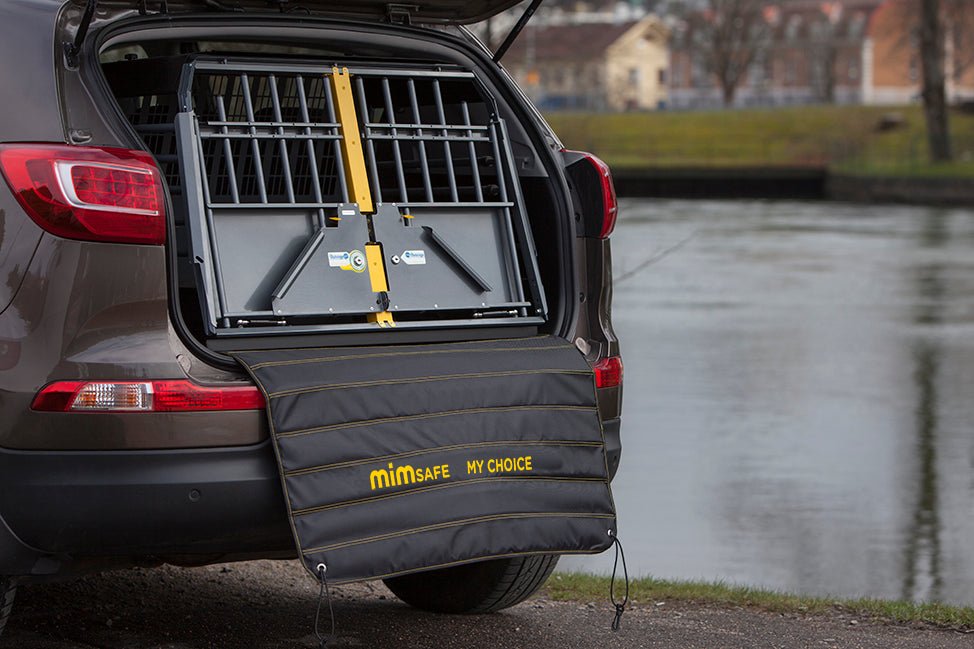
Many cast-related problems happen at the door. A casted leg can catch on the frame, and a dog that has to lift its leg high to step over a threshold may get hurt. A door guard that controls the opening and keeps a casted leg from catching is one way to manage this.
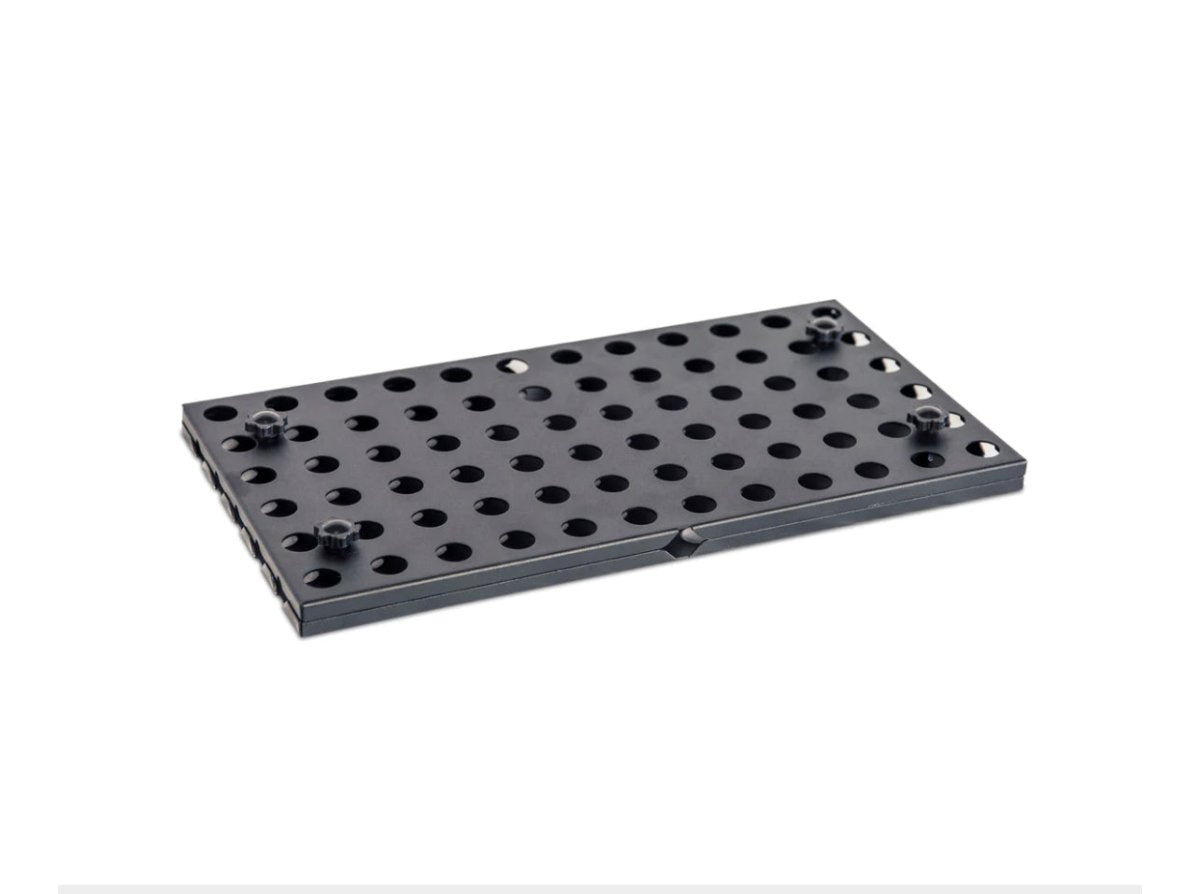
Check these details before you buy:
- Look for a wide door opening, or a side door if one is available.
- Choose a low threshold so the dog does not have to step up.
- Think about how you will lift or guide the dog in and out.
Accessories can help here. A crate door guard that controls the opening and keeps a casted leg from catching can make entry and exit safer, and K J Crate Tie Down Straps can keep the crate steady while the dog moves in and out.
Crate or Playpen for an Injured Dog: Choosing the Right Confinement
A crate is not the only option. A playpen gives the dog a little more room to move, which some recovering dogs need, while a crate offers a den-like space that many dogs find calming.
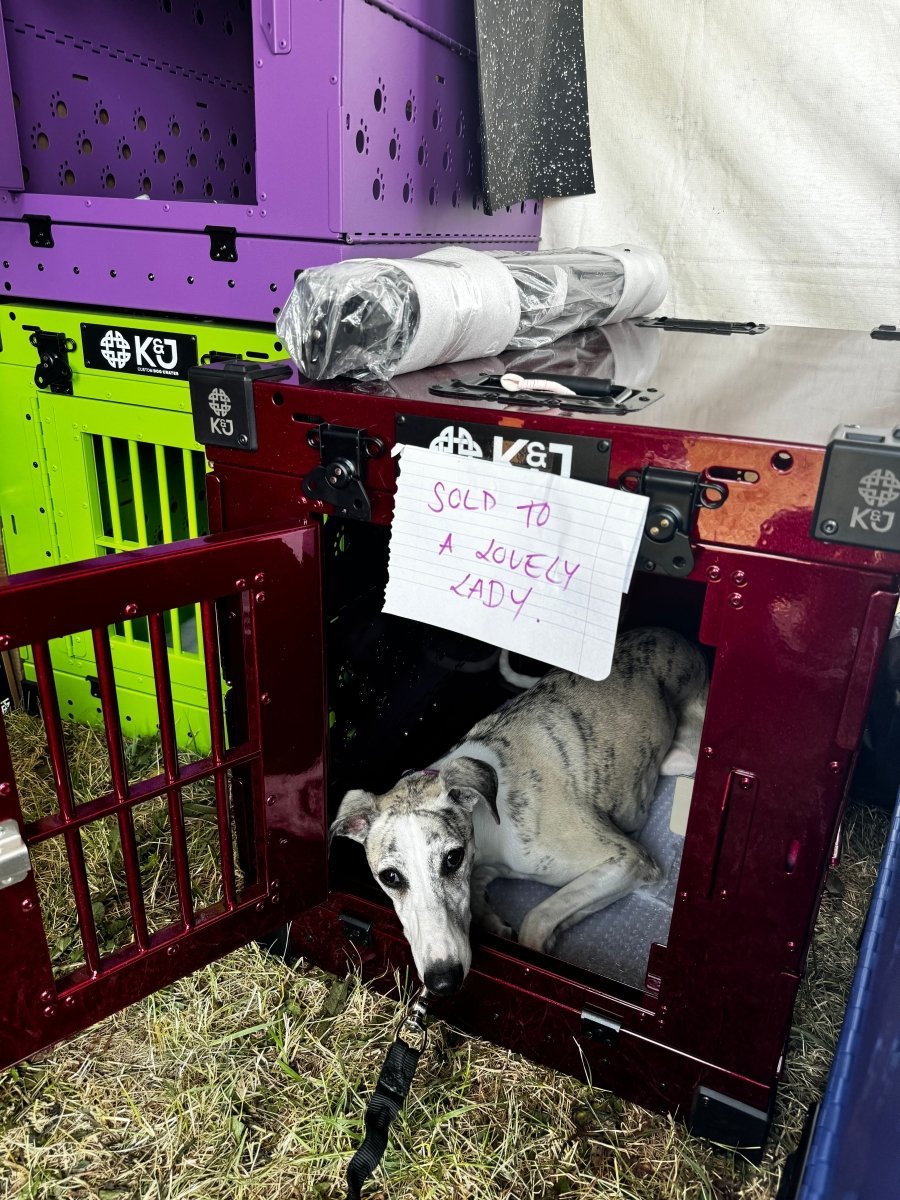
Your choice depends on the dog's injury, temperament and how the vet wants it confined. A dog that tends to thrash or try to climb may do better in a sturdy crate. A dog that needs to stand and shift weight more often may do better in a pen.
Ask your veterinarian which setup fits the injury before you buy.
Setting Up Bedding and Flooring to Protect the Cast
The inside of the crate is where a cast is most likely to be damaged, not by the dog running, but by moisture, slipping, and pressure over long hours of rest. Most general crate guides stop at "use a washable pad." A recovery setup needs more than that.
Start with grip, then cushion. A non-slip base stops the dog from splaying its feet when it stands up, which is when a casted leg is most vulnerable to a twist.
Keep the cast dry. A cast that stays damp softens, rubs, and loses the shape that keeps the limb immobilized. Use a waterproof cover over the bedding rather than under it, and check the cast several times a day for dampness at the toes and at the top edge.
Control moisture and odor. Recovery means limited outdoor trips, so accidents happen. A waterproof, wipeable cover over the foam keeps urine away from the padding, and a spare cover lets you swap one out while the other is washed.
Watch the cast edges. The top and bottom rims of a cast are where rubbing and pressure sores start. Check the skin at both edges daily for redness, swelling, or a bad smell, and look for bedding that has bunched up against the cast.
Match the cover to the room. A dog on crate rest spends most of the day in one spot, so drafts and cold floors matter more than usual. Leave the door end open for airflow and so you can see and hear the dog.
Set up for monitoring, not just comfort. Place the crate where you can see it from where you spend the day, keep a leash and a towel nearby for assisted trips outside, and put a note on the crate with the clinic's phone number and the date the cast was applied.
Watch out: If the dog chews or digs at the bedding, remove the loose layers and use a single fitted pad, ingested foam or fabric is a serious risk, and a dog in a cast may be anxious enough to try.
If the room is cold or drafty, an insulated crate cover can help keep a resting dog comfortable. The K&J Crate Pad uses a waterproof ballistic nylon cover over a memory foam core with a Velcro closure that keeps the dog from reaching the foam, and a Mim Safe Silicone Mat underneath gives a grippy, cushioned base.

Confirm the Fit With Your Veterinarian Before Crate Rest Begins
Before crate rest starts, show your veterinarian the crate you plan to use, or send the measurements. The vet can confirm that the dog has enough room to rest safely and that the setup suits the injury.
Ask these questions:
- Does the dog have enough room to stand, turn and lie down with the cast on?
- Is the bedding and flooring safe for this injury?
- How long should crate rest last, and how often should the dog be checked?
Your vet knows the dog's condition. This guide gives you a practical framework, but the final decision belongs with the treating veterinarian.
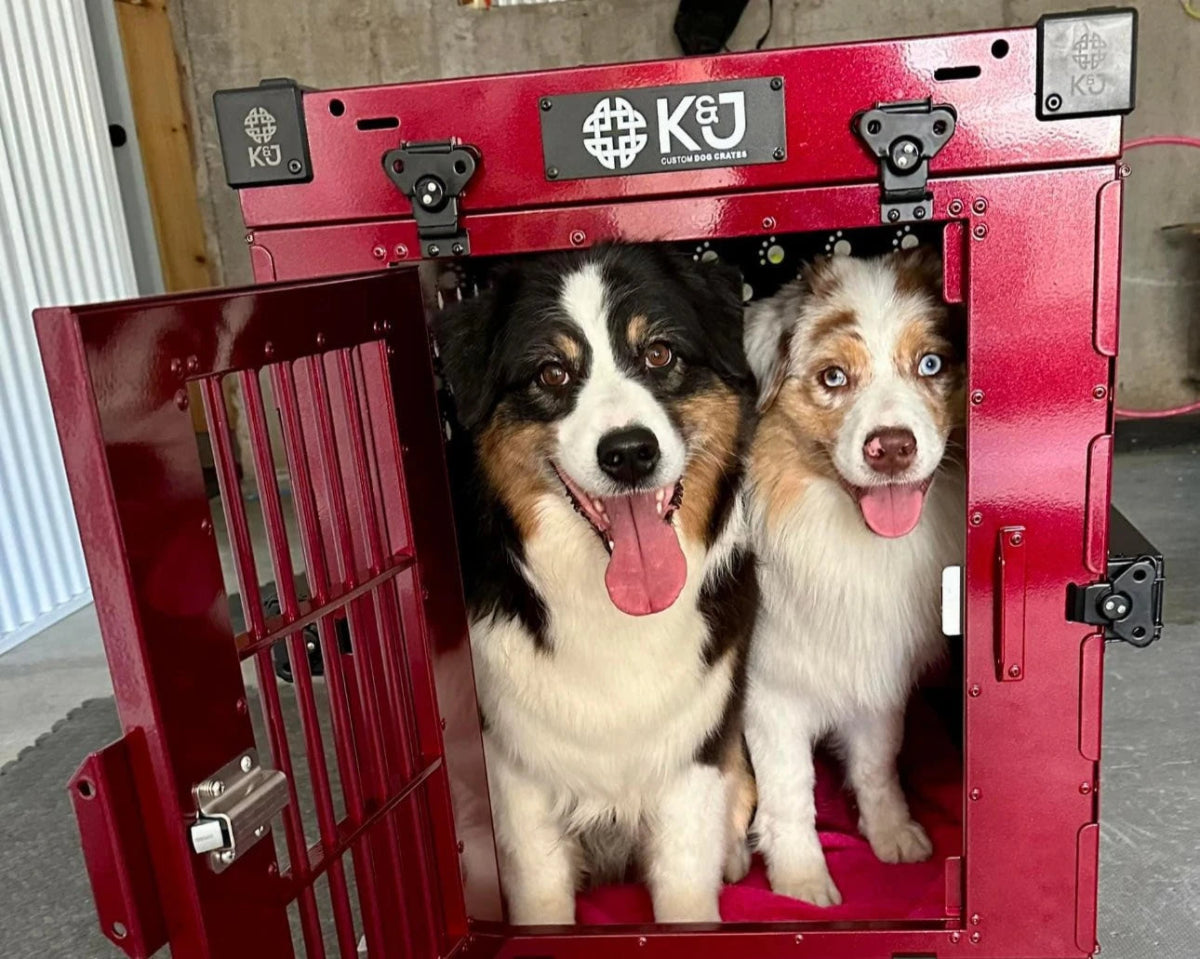
Choosing the right crate for a dog with a cast comes down to three things: measure with the cast on, leave room to move, and make entry and flooring safe. Start with the numbers, confirm the setup with your vet, and you will have a crate that keeps your dog comfortable through recovery. At K&J Custom Dog Crates, our Metallic Collapsible Crates are built to help you get the fit and security you need, so you can choose with confidence.
Frequently Asked Questions
How do I measure a dog with a cast for a crate?
Measure with the cast on, since that is the size the crate must fit. Measure the dog's length from the base of the tail to the nose while standing, then measure height from the floor to the top of the head or ears, adding a few centimetres to each. Measure the cast's height and width separately so you know how much space the limb takes up. Compare these numbers with the crate's interior dimensions, and confirm the final choice with your veterinarian before buying.
Should a dog with a cast use a crate or a pen during recovery?
A crate suits dogs that need strict confinement and a sheltered resting space, while an exercise pen gives more room to shift position and stretch a cast-free leg. Your veterinarian decides which level of restriction the injury needs. Many owners use a crate overnight and a pen during supervised daytime rest. Whichever you choose, the enclosure should let the dog stand, turn and lie down comfortably without the cast catching on the sides.
How can I keep a cast from catching on crate bars?
Choose a crate with smooth, closely spaced bars or a solid-sided model so the cast cannot slip between them. Check the crate's interior for bolts, latch edges or ridges where the cast might snag. Place the dog's bedding so the cast rests flat, and watch the first few sessions to see whether the dog repositions in a way that rubs the cast. Stop and call your veterinarian if you notice rubbing, broken edges or moisture.
When should I contact a veterinarian about a cast rubbing or getting wet?
Contact your veterinarian promptly if the cast feels loose, cracked or soft, if it becomes wet and does not dry, or if the skin around it looks red, swollen or has a bad smell. Also call if the dog chews at the cast, seems to be in pain, or the toes on the casted leg look cold, pale or swollen. Do not wait for a scheduled visit for any of these signs, as they can indicate a problem that needs attention quickly.


